
 Hydrogen · Sulfuric Acid Mist · Oxyhydrogen Gas
Hydrogen builds up silently. Monitor your ventilation.
Charging batteries releases hydrogen. The SEIKOM flow monitor NLSW 45-3 Ex monitors the forced ventilation of battery and charging station rooms, intrinsically safe and rated for gas group IIC.
- ✓Detects forced-ventilation failure before H₂ collects under the ceiling
- ✓Stops charging and raises an alarm if the airflow drops below the limit
- ✓Rated for hydrogen (Group IIC), intrinsically safe Ex ib, Zone 1


From charging to a hydrogen atmosphere.
Charging lead-acid and traction batteries releases hydrogen. Forced ventilation must remove it safely — if it fails, the safety situation deteriorates fast.
Batteries release hydrogen
Charging continuously generates H₂. Forced ventilation safely dilutes it below 4 vol.%.
Ventilation fails
Fan, damper or duct fail, exhaust airflow drops, often with no indication at the control cabinet.
H₂ collects under the ceiling
Hydrogen is lighter than air and rises. An explosive Zone 1 atmosphere forms unnoticed.
Not the heat — the spark
Hydrogen only ignites at high temperature, yet its minimum ignition energy is extremely low. A small spark from a switching contact or static discharge is enough to cause an explosion.
Where battery charging becomes a hazardous area.
Wherever lead-acid or traction batteries are charged, hydrogen is released. Three situations come up especially often.
Forklift charging stations
Charging bays in logistics and production with many forklifts charging in parallel, often in enclosed warehouse areas.
Data centres & UPS
Large battery rooms for uninterruptible power supply, where hydrogen must be reliably removed.
Emergency power supply
Battery-backed emergency power systems in hospitals, industry and infrastructure with a permanently buffered battery.
The NLSW Ex flow monitor secures the forced ventilation.
Calorimetric monitoring of the exhaust airflow, intrinsically safe inside the room, with a Zener barrier in the safe area. On a shortfall: charging stop and alarm.
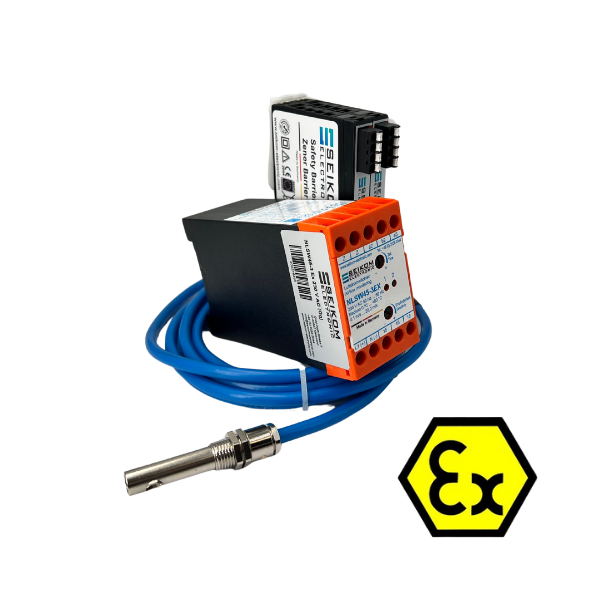
NLSW 45-3 Ex
Flow monitor with Zener barrier · intrinsically safe · SIL2-capable
- 01
Measures the actual exhaust airflow
Captures the real airflow of the forced ventilation, not just the fan speed.
- 02
Charging stop & alarm
If ventilation drops below the limit, the chargers are switched off and an alarm is raised.
- ib
Intrinsically safe for Group IIC
Ex ib with Zener barrier, rated for hydrogen, the most demanding gas group.
- ⚙
Adaptable & fast to deliver
Measuring range and installation matched to room and duct, made in-house in Germany, available at short notice.
More than a sensor: the complete ATEX solution.
From measurement to conveying to alarming, SEIKOM supplies matched, certified measurement and control technology for your hazardous area.
Flow monitors
Calorimetric airflow monitoring, intrinsically safe and SIL2-capable.

ATEX fans
Supply and exhaust fans for the forced ventilation of hazardous areas.
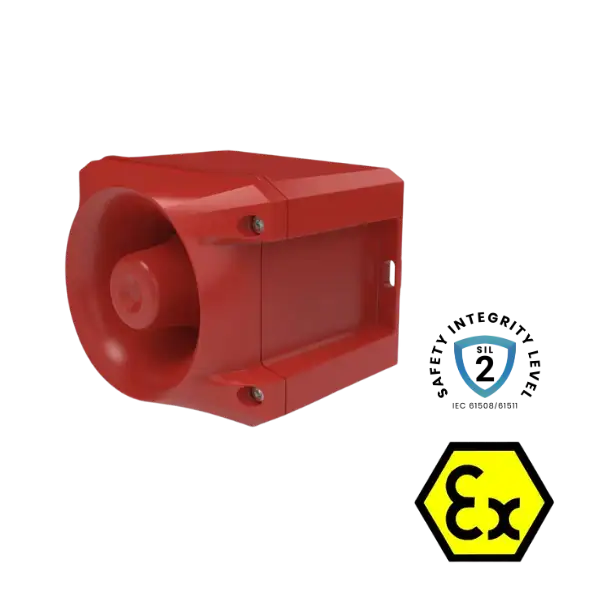
Signal devices
Visual-acoustic Ex signalling technology for alarms on limit shortfall.
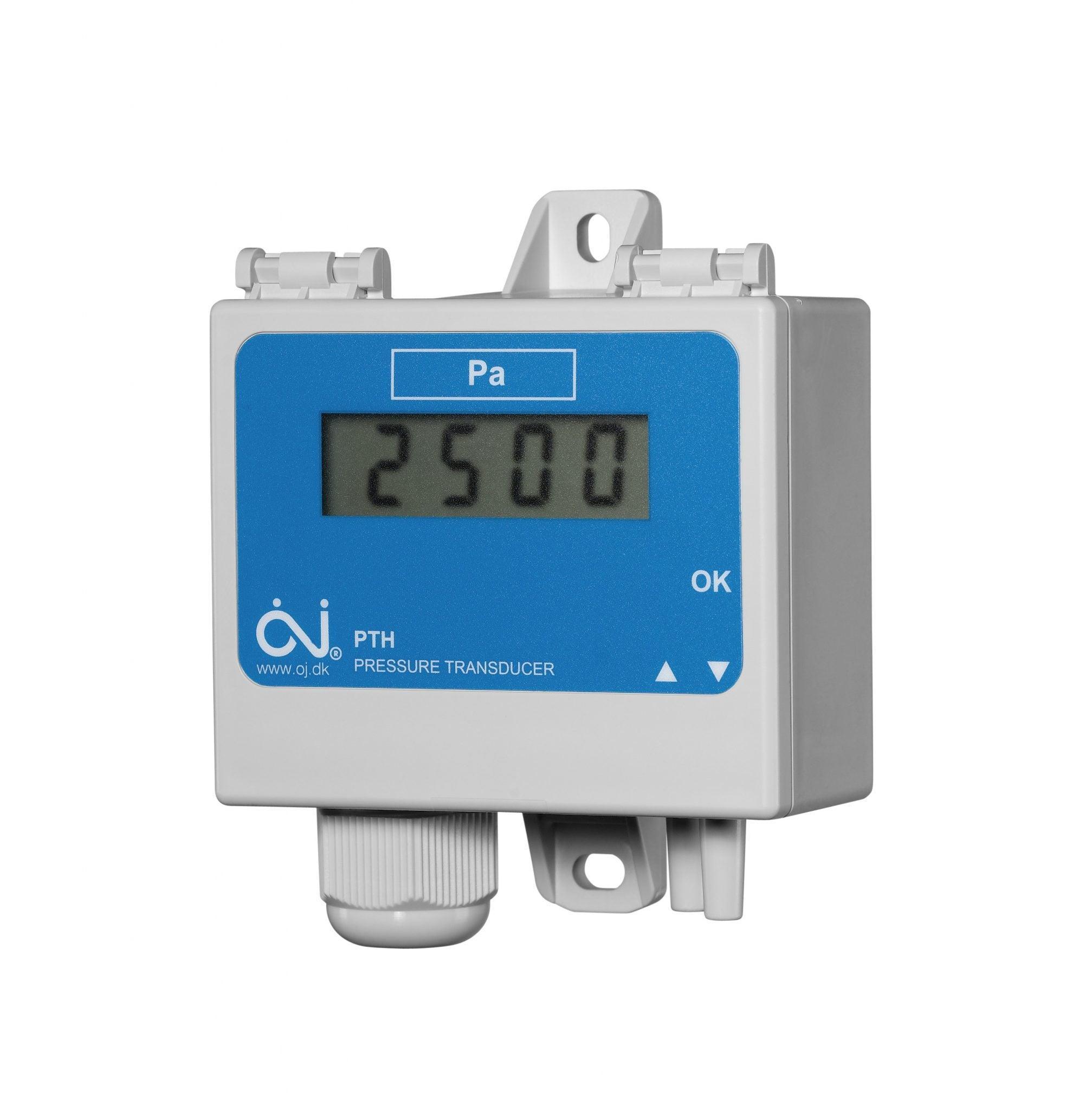
Pressure & temperature
Differential pressure and temperature monitoring to complement the ventilation safeguard.
Typical use: charging yard with forced ventilation.
Scenario: A logistics centre charges 40 forklifts in its own charging yard. Charging releases hydrogen, which collects under the ceiling without adequate forced ventilation.
Solution: The NLSW Ex monitors the exhaust airflow. If ventilation drops below the limit, the chargers are switched off and a group alarm is raised.
Every character on the nameplate has a meaning.
Here's how to read the marking for H₂ ventilation monitoring and check whether the device fits your zone.
Knowledge to take away.
Download our practical guides, ideal for planning, risk assessment and team alignment.
Ventilation of battery charging rooms
The ZVEI guideline on ventilating battery charging rooms for traction batteries.
Zones, categories & marking
Overview poster on ATEX marking, as a wall reference for planning and the workshop.
Let us check your battery room ventilation.
Tell us the room size, number of charging bays and ventilation. We recommend the right certified monitoring and supply the documentation right away — including the ZVEI guideline and ATEX poster to download.
